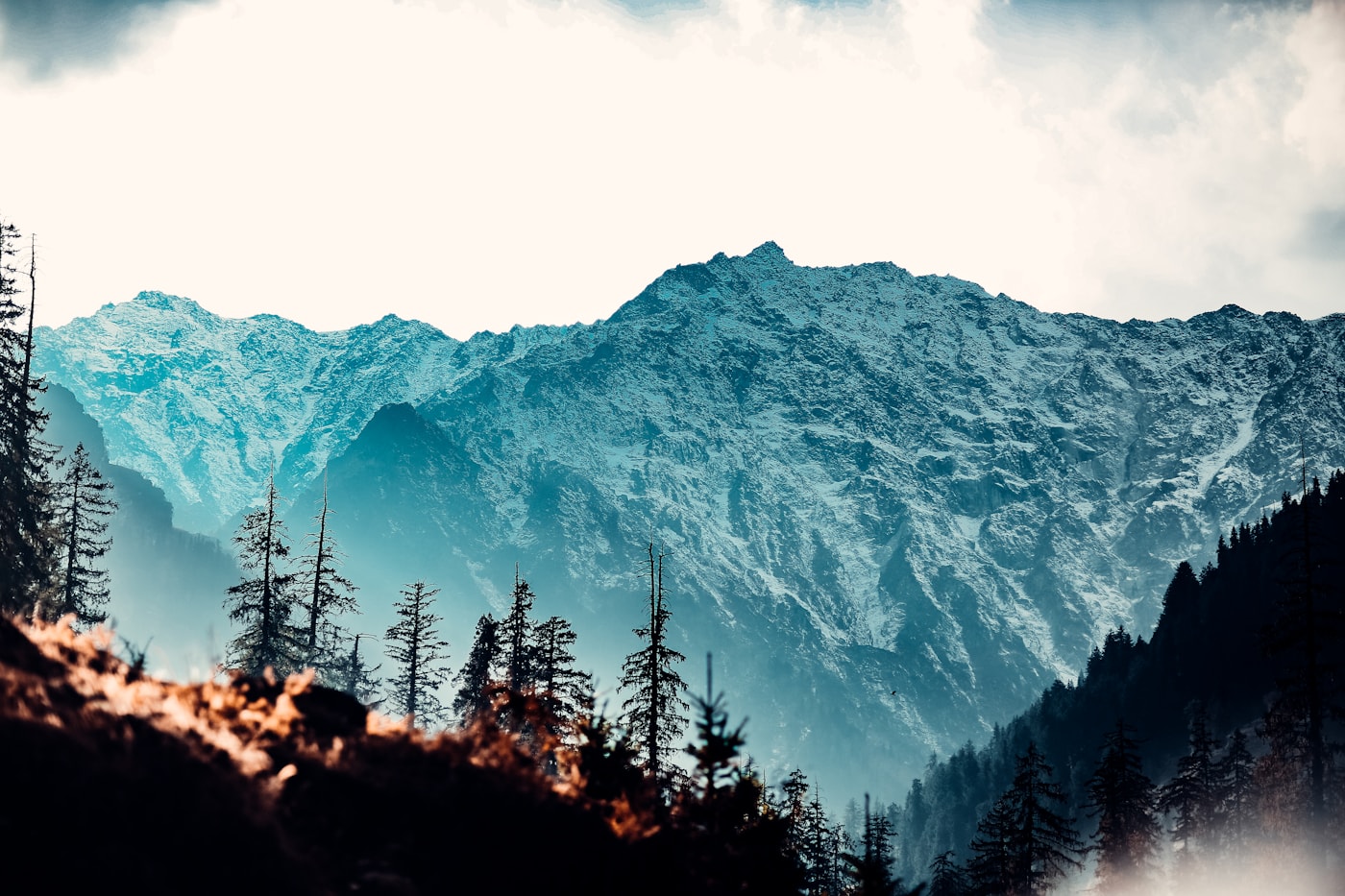
Explore Nepal
From the jungle floor to the roof of the world — in Nepal, the wild is never far away.
Journey through the subtropical forests and grasslands of the Terai in search of Bengal tigers and greater one-horned rhinoceroses. Watch elephants move through forests, gharials rest along riverbanks and countless birds gather around wetlands.
Climb higher and the wildlife changes with the landscape. Red pandas hide among mountain forests, Himalayan tahr and blue sheep navigate steep slopes, and somewhere among the rocks and snow lives one of the world’s most elusive predators: the snow leopard.
From tigers to tiny endemic birds, from crocodiles and fish to freshwater dolphins, and from tropical forests to the high Himalayas — Nepal is wild at every elevation.
Nepal’s southern plains hold dense forests, wetlands and sweeping grasslands. This is where visitors come in search of the Bengal tiger and the greater one-horned rhinoceros, alongside Asian elephants, gharials, sloth bears and an extraordinary range of birdlife.
National parks and conservation areas protect these landscapes while giving visitors opportunities to experience Nepal’s wild side responsibly, with trained naturalists and licensed local guides.
FeaturedChitwan • Bardia • Koshi Tappu • Shuklaphanta • Parsa
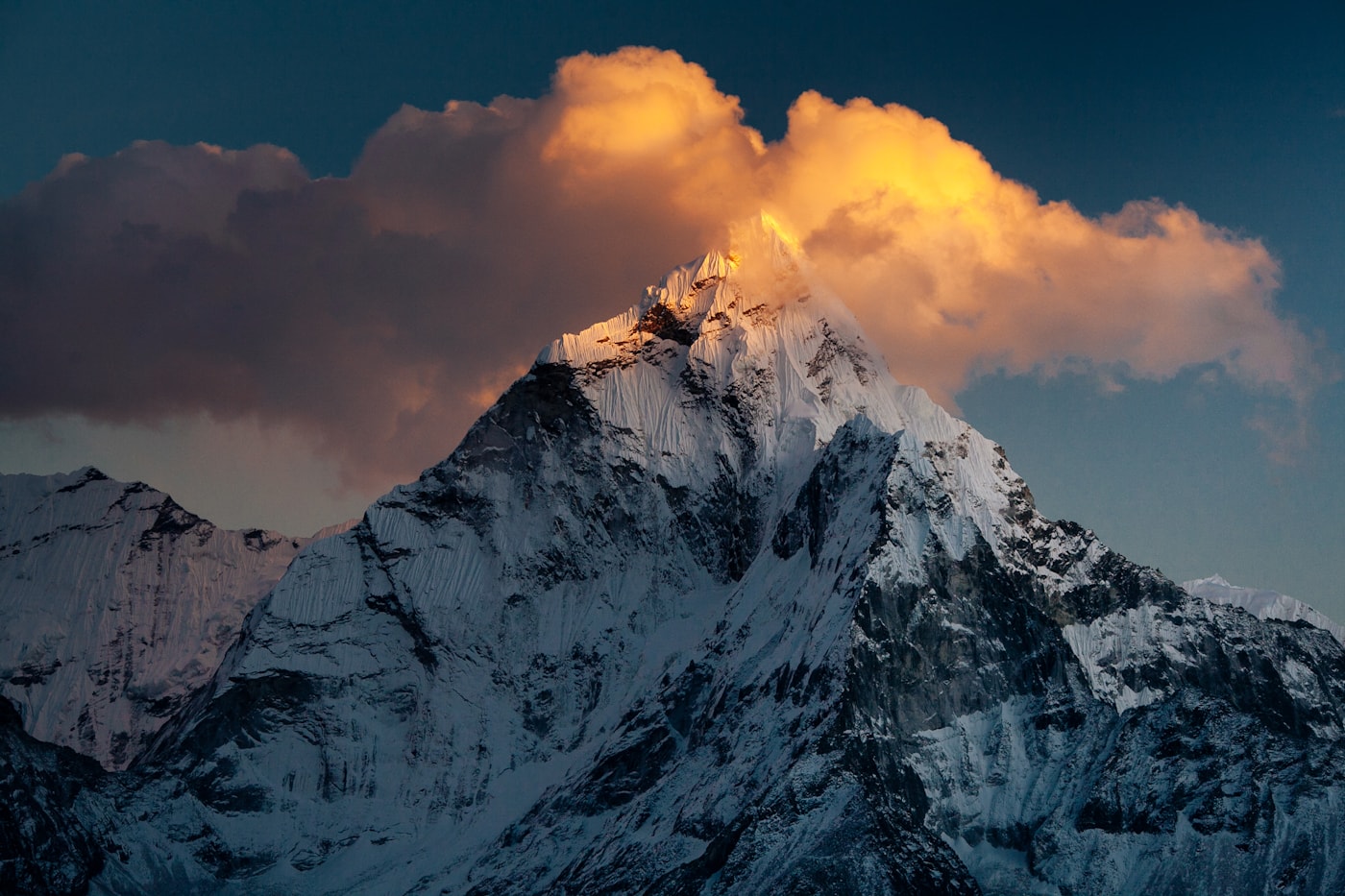
Above the treeline the wild becomes harder to find, and all the more remarkable when you do. Himalayan tahr and blue sheep navigate near-vertical slopes. Red pandas shelter in mountain forests. Himalayan monal move through the rhododendron.
And somewhere among the rock and snow lives the snow leopard — so elusive that seeing one is a privilege, never a guarantee.
FeaturedSagarmatha • Langtang • Annapurna • Manaslu • Shey Phoksundo • Dhorpatan
Photo: [Photographer Name] / [Location, Nepal] / [Source]
Species & Habitats
Wildlife statistics on this site always show the survey or reference year, so figures can be updated when new official data become available.
How to Experience Wildlife in Nepal
Seeing a wild animal is a privilege — not a guarantee. That is exactly what makes it unforgettable.
Protected for the Future
Nepal’s national parks, wildlife reserves and conservation areas protect habitat across every elevation band, from the Terai floodplains to the high Himalaya. Community forestry and buffer-zone programmes mean local people are partners in protection, not bystanders.
In Nepal, the wild is never far away — from the jungle floor to the roof of the world.
Wild Encounters.
Unforgettable Memories.
Every photograph on this page must be an authentic photograph of Nepal, not an AI-generated representation, whenever the image is presented as a real destination.
Credit format: Photo: Photographer Name / Location, Nepal / Source. Where licensing requires it, the credit links to the original photograph or licensing page. An internal record is kept containing image location, photographer, source, licence and original URL.
Credit format for wildlife: Photo: Photographer Name / Location, Nepal / Source. For rare and endangered wildlife, precise den sites, nesting locations and GPS coordinates are never published.
Hunting-related information links to the Department of National Parks and Wildlife Conservation rather than displaying permanent prices, quotas or permit conditions, because those change.