Nepal travel update — most destinations remain accessible. Some Rasuwa and affected routes are disrupted. View latest information

Unite for Nepal

United, We Rebuild

One flood crossed nine districts. No single person can rebuild what it took. But three crore Nepalis, a diaspora spread across the world, and friends of Nepal everywhere can.

Official Government of Nepal Channel

Prime Minister Disaster Relief Fund

The Office of the Prime Minister and Council of Ministers has officially invited support from individuals and organisations inside Nepal and abroad. Contributions go directly to the Government of Nepal’s disaster response, relief and recovery effort, through the official payment portal operated with Nepal Clearing House Limited (NCHL).

Visit Nepal does not collect, process or receive these donations. Your contribution goes directly to the Government of Nepal’s Prime Minister Disaster Relief Fund.

Awareness First

What Happened, in Numbers You Can Trust

Misinformation spreads faster than relief. The most useful thing many people can do is share accurate, sourced information instead of unverified claims.

951Bodies RecoveredNepal Police • 31 Aug 2026, 5:00 PM
10,451People RescuedNDRRMA • 31 Aug 2026
20,800+Personnel DeployedNDRRMA • 31 Aug 2026
32Bridges Washed AwayDepartment of Roads • preliminary
Share these, not rumours. Every figure here carries its source and reporting time, and is read from a single data file that is updated only when a newer verified government figure is published. Figures reported at different times are never combined into one total. See the full verified record and update history.

How Support Becomes Growth

From Relief to a Stronger Nepal

Relief keeps people alive. Recovery restores what they need. Rebuilding and livelihoods are what let a community grow beyond where it stood before the flood.

Stage 01

Emergency Relief

Keeping people alive and safe in the days after the water.

  • Search, rescue and evacuation
  • Emergency shelter and food
  • Medical care and clean water
  • Reuniting separated families
Stage 02

Recovery

Restoring the basic services a community cannot function without.

  • Damaged water pipelines and tanks
  • Temporary learning spaces
  • Health posts and medical supplies
  • Sanitation and hygiene programmes
Stage 03

Rebuilding

Replacing what took generations to build — built back safer.

  • School reconstruction and repair
  • Community water systems
  • Footbridges and local access routes
  • Community facilities
Stage 04

Livelihoods

Income is what turns relief into independence.

  • Skills and hospitality training
  • Local employment on rebuilding work
  • Support for shops, farms and small businesses
  • Youth and women’s programmes
Stage 05

Responsible Tourism

Visitors returning is what makes recovery self-sustaining.

  • Guides, porters and drivers back at work
  • Homestays and lodges reopening
  • Artisans and markets trading again
  • Local suppliers into the visitor economy
Stage 06

Stronger Communities

The goal is not to return to where things were, but to stand more securely than before.

  • Children in school, not out of it
  • Reliable water and health access
  • Diversified local income
  • Better preparedness for the next event

How Nepal Grows Back

Four Needs That Keep Paying Back

These four needs do the most work in a flood recovery — each one keeps returning value long after the emergency ends. Support them through the official government fund.

Education

Growth compounds through children.

  • A rebuilt classroom keeps a whole cohort in school
  • Books, uniforms and supplies remove the cost barrier
  • Temporary learning spaces stop months being lost
  • Schooling now is earning capacity in fifteen years

Rebuild a school. Restore a future.
Health

Nobody rebuilds while they are ill.

  • A working health post keeps workers working
  • Maternal and child health protects the next generation
  • Sanitation prevents the second disaster after a flood
  • Care for elderly and vulnerable residents

Healthy people build strong communities.

Water

The fastest return on any rupee.

  • A repaired pipeline serves a village for decades
  • Clean water cuts disease and lost working days
  • School water systems raise attendance, especially for girls
  • Filtration and community tanks

Water is life. Restoring it restores a community.

Basic Infrastructure

Access is what unlocks everything else.

  • A footbridge is the difference between school and no school
  • A trail to a health post is the difference in an emergency
  • Reopened routes bring goods, buyers and visitors back
  • Community facilities restore where people gather

Build back what communities need most.

Underneath all four: children, women, youth, elders, families and communities. This describes what recovery requires — not a fund operated by Visit Nepal. Donations go to the Government of Nepal’s relief fund.

The Growth Engine

Your Visit Is
Economic Solidarity

Donations restart a community. Visitors keep it running. Tourism supports hundreds of thousands of livelihoods across Nepal, and much of it reaches people directly rather than through institutions.

Postponing a trip to an unaffected region does not help anyone. Coming, staying longer and spending locally does.

One Visitor, Many Livelihoods

  • A visitor stays at a local lodge
  • The lodge employs local workers
  • The lodge buys vegetables from a farmer
  • A trekking company employs a guide
  • The guide supports a family
  • The traveller buys handicrafts
  • An artisan earns income
  • Tourism creates local opportunity
We deliberately publish no multiplier claims such as “$1 generates $X” unless solid economic research supports them. The chain above is a description of how the money moves, not a calculation.

Ways to Unite

Five Ways to Stand With Nepal

Money is one way. It is not the only one.

Please Do Not Share

Three Things That Cause Real Harm

  • Casualty numbers without a source and a reporting time. Figures changed several times a day; an old number repeated as current reads as either alarmism or denial.
  • Photographs of unknown origin. Disaster images from other countries and other years circulate widely during every emergency and destroy trust when exposed.
  • Bank details or payment instructions copied from social media. Use the official government portal linked on this page, and nothing else.

Who This Is For

Nepal Is Bigger Than Its Borders

Humanity has no nationality. The invitation is open to everyone.

Terraced Himalayan hills in Nepal

Nepalis at Home

Re. 1 is not a donation target. It is a statement that every person counts, from Kathmandu to Karnali.

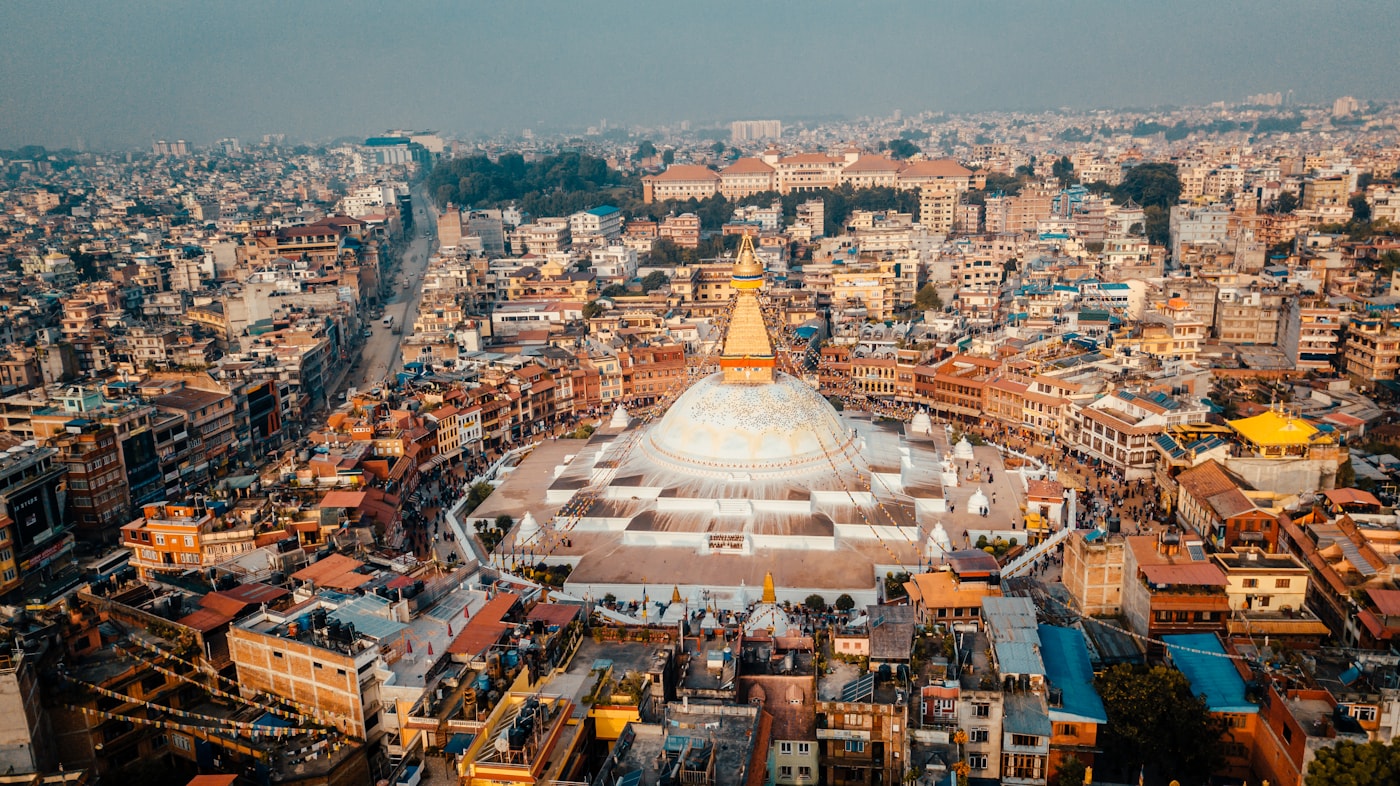
Boudhanath Stupa in the Kathmandu Valley

The Diaspora

You may live thousands of miles from the Himalayas. Nepal never stops being home. Donate, fundraise, organise, promote, or lend professional expertise.

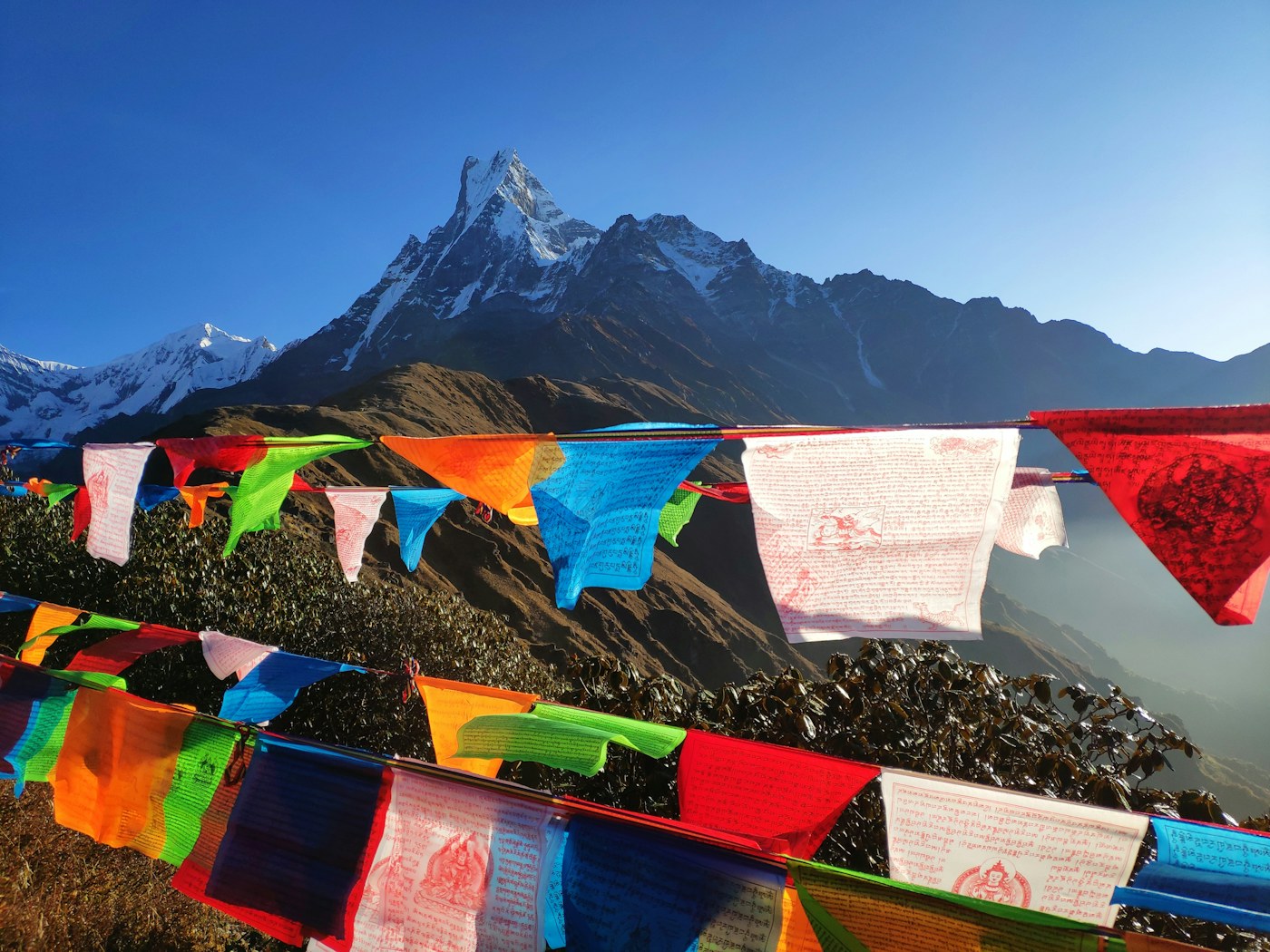
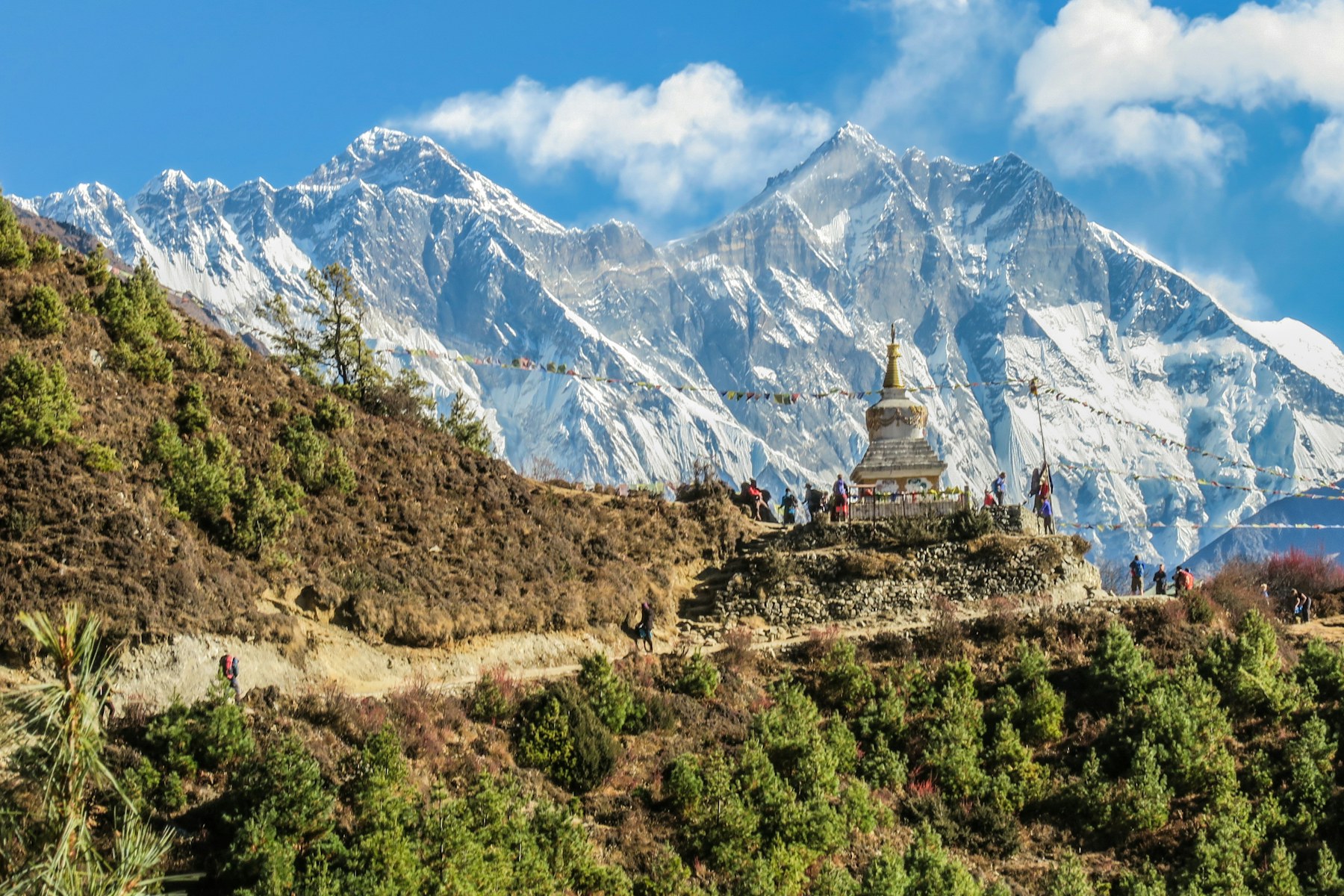
Prayer flags before a Himalayan peak in Nepal

Friends of Nepal

You do not have to be Nepali. If its mountains inspired you or its people welcomed you, you are welcome to stand with us.

Photography

Why There Are No Disaster Photographs Here Yet

Verified flood photographs needed hereThis block is reserved for authentic, credited photographs of the affected districts — supplied by a named photographer with permission, or by an official source such as Nepal Police or NDRRMA. Required with every image: photographer, exact general location, date and source. We do not use AI-generated disaster imagery, staged rescue photographs, graphic images of casualties, or pictures taken from social media without permission. A flood photograph from another country would undermine everything else on this page.

No single person can rebuild nine districts. Three crore people, a diaspora across the world and friends of Nepal everywhere can. Unite, and the arithmetic changes.

One Flood.
One Nation.
One Response.