Explore Nepal
Nepal is more than a destination you see. It is a place you experience through its people. Come as a visitor. Leave with stories, friendships and memories.
Across the country, centuries-old traditions continue in temples and monasteries, village courtyards, family kitchens, bustling marketplaces and colourful festivals.
Nepal’s many communities have their own languages, clothing, music, food, architecture, celebrations and rituals — creating a cultural landscape as diverse as the country’s geography.
And at the heart of it all is something visitors often remember long after returning home: the warmth of the people.
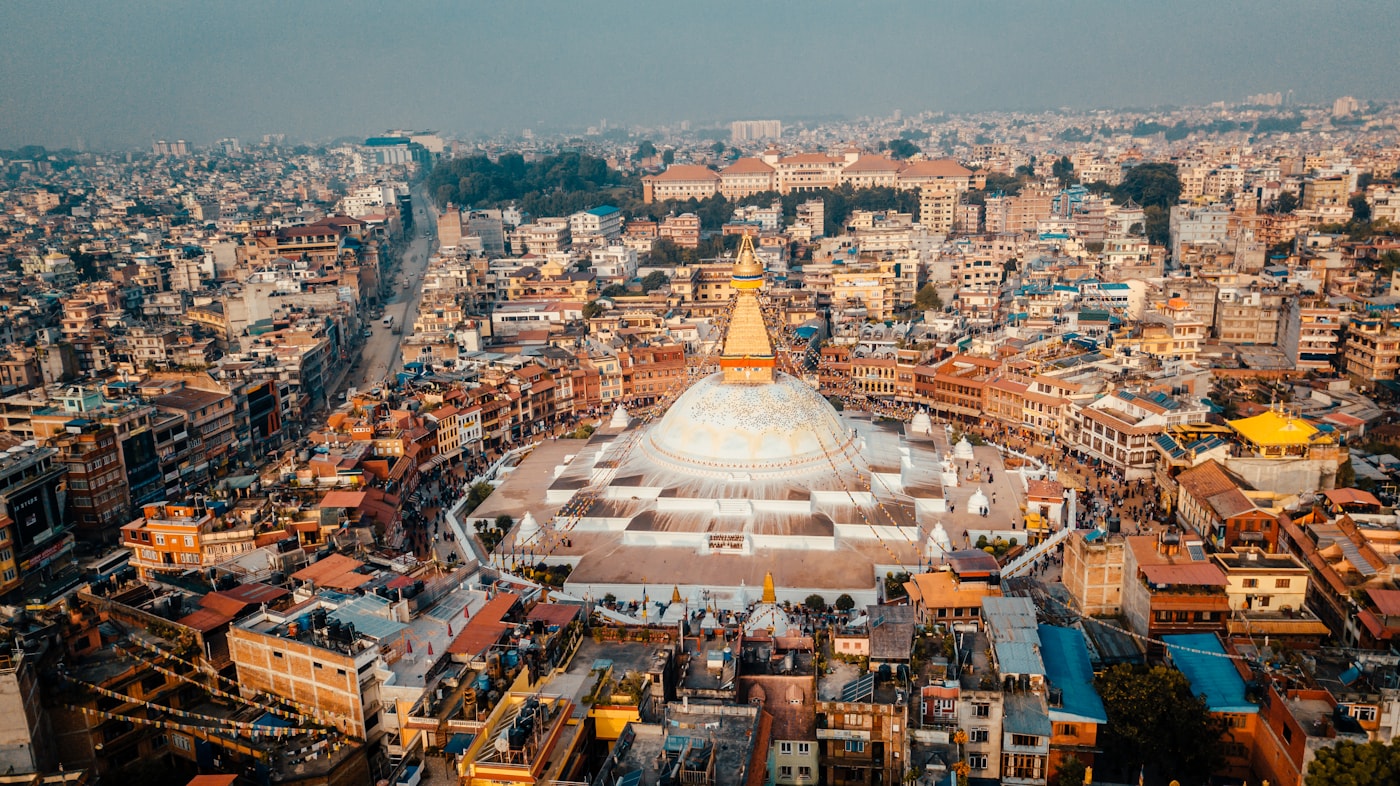
Nepal’s heritage is not confined to museums. It remains part of everyday life. Ancient temples stand beside busy marketplaces. Prayer wheels turn beneath centuries-old stupas. Traditional courtyards become gathering places for festivals, ceremonies and community life.
The Kathmandu Valley UNESCO World Heritage Site encompasses seven monument zones: the Durbar Squares of Kathmandu, Patan and Bhaktapur; Swayambhunath and Boudhanath; and the sacred Hindu sites of Pashupatinath and Changu Narayan.
Nepal is also home to Lumbini, the birthplace of Lord Buddha, a UNESCO World Heritage Site and one of the world’s most important Buddhist pilgrimage destinations.
FeaturedKathmandu • Patan • Bhaktapur • Pashupatinath • Boudhanath • Swayambhunath • Changu Narayan • Lumbini
Photo: [Photographer Name] / [Location, Nepal] / [Source]
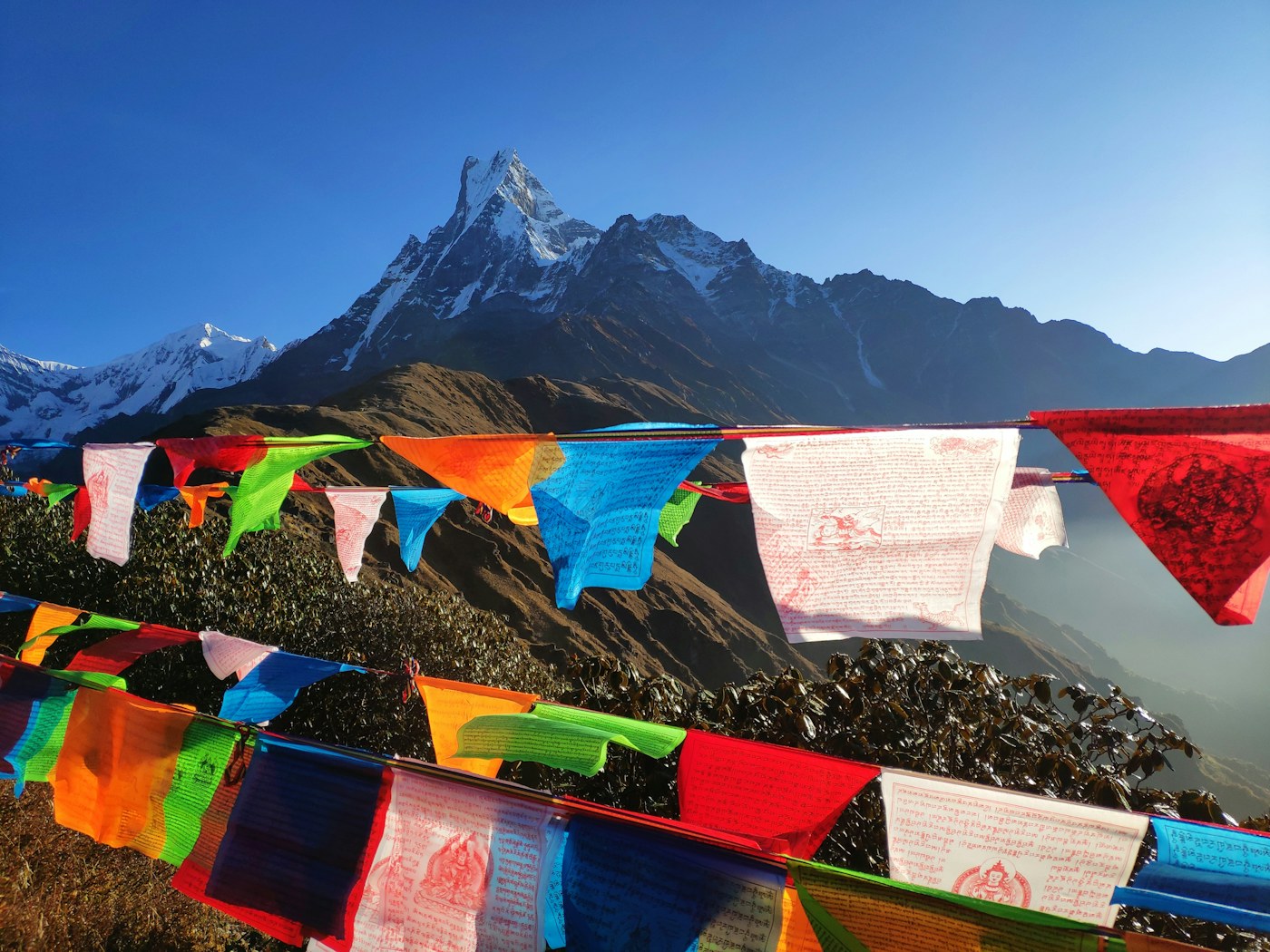
Spirituality is deeply woven into Nepal’s cultural landscape. Hindu temples, Buddhist stupas and monasteries, sacred rivers, prayer flags, bells, butter lamps and roadside shrines form part of everyday life across the country.
Nepal is home to multiple religious traditions, and Hindu and Buddhist traditions in particular have interacted for centuries. The Kathmandu Valley’s heritage is internationally recognised for the remarkable coexistence and artistic interweaving of Hindu and Buddhist traditions.
For visitors, sacred places should be approached not simply as attractions, but as living places of worship deserving respect.
Photo: [Photographer Name] / [Location, Nepal] / [Source]
Nepal’s landscapes may bring you here, but its people may become your strongest memory. Hospitality is experienced in countless small moments — a warm greeting, a cup of tea, a home-cooked meal, directions offered by a stranger or a family welcoming a traveller into their home.
In community homestays and villages, visitors can experience daily life more closely: sharing meals, hearing local stories and learning traditions directly from the people who keep them alive.
Namaste. More than a word recognised around the world, it has become one of the most familiar expressions of welcome visitors encounter in Nepal.
More of Nepal’s Culture
Rather than presenting Nepal as one single culture, we celebrate this diversity respectfully — allowing communities to tell their own stories.
The mountains may take your breath away. The people will give you a reason to return. Rich Culture. Warm People. One Nepal.
The Heart of Nepal
Every photograph on this page must be an authentic photograph of Nepal, not an AI-generated representation, whenever the image is presented as a real destination.
Credit format: Photo: Photographer Name / Location, Nepal / Source. Where licensing requires it, the credit links to the original photograph or licensing page. An internal record is kept containing image location, photographer, source, licence and original URL.
For images depicting identifiable cultural communities, rituals or sacred ceremonies, captions must be accurate, representation respectful, and photographic permission obtained before publication.
Many temples, monasteries, festivals and ceremonies visitors encounter are not performances created for tourism — they hold deep meaning for the communities participating in them.